Motivation For Students
Content about motivation for students (Auto-generated fallback due to API error).
Staring at a textbook when you’d rather be binge-watching your favorite show? That’s a motivation killer. But the good news is that figuring out how to stay motivated to study isn't about suddenly loving textbooks; it's about building systems and mindsets that make studying feel less like a chore and more like a stepping stone to your goals.
At a Glance:
- Learn proven strategies to set achievable study goals.
- Optimize your study environment for focus and minimize distractions.
- Master time management techniques like the Pomodoro method.
- Develop a positive mindset with visualization and self-reward systems.
- Discover ways to overcome procrastination and build momentum.
Understand Your "Why": The Foundation of Lasting Motivation
Why are you studying this subject, right now? Vague answers lead to weak motivation. Drill down. Is it to get into a specific program? Land a dream job? Impress your parents (okay, maybe less about that one!) Understanding your "why" provides the fuel you need when motivation wanes. Explore the deeper aspects of finding your core drive in our comprehensive guide to Find Study Motivation.
Find Study Motivation
Example: Instead of "I need to study history," try "I need to study history so I can understand the context of current events and become a more informed citizen, which will help me contribute meaningfully to society."
Goal-Setting That Works: Breaking Down the Mountain
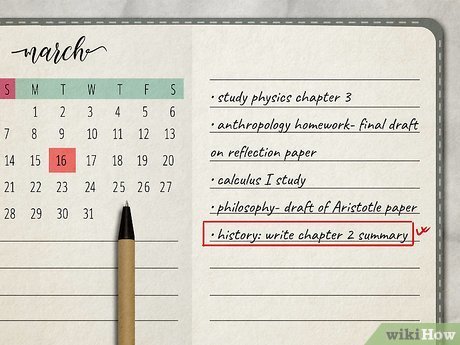
Giant goals are overwhelming. That "entire textbook" becomes a monster. Break it into smaller, manageable chunks. Think "chapter sections," "practice problem sets," or even "reading 10 pages." Smaller victories provide a sense of accomplishment and keep you moving forward.
Actionable Steps:
- Define Long-Term Goals: Where do you want to be by the end of the semester/year?
- Break Down into Short-Term Goals: What milestones do you need to hit each week/month?
- Create Daily/Weekly Tasks: What specific actions will you take each day/week to reach those milestones?
Example:
- Long-Term Goal: Get an A in Biology.
- Short-Term Goal: Master Chapter 3 by the end of the week.
- Daily Task: Read 2 sections of Chapter 3 and complete practice questions.
Time Management: Conquer the Clock and Stay On Track
Time management isn’t just about scheduling; it's about making the most of your study time. Here's how:
The Power of the Pomodoro Technique
The Pomodoro Technique is a productivity game-changer. Work in focused 25-minute bursts ("Pomodoros") followed by a 5-minute break. After four Pomodoros, take a longer 20-30 minute break. It combats mental fatigue and keeps you sharp.
How to Implement:
- Set a timer for 25 minutes.
- Focus intently on your task (no distractions!).
- When the timer rings, take a 5-minute break.
- Repeat steps 1-3 four times.
- Take a longer 20-30 minute break.
Prioritization: Eat the Frog!
Mark Twain famously said, "Eat a live frog first thing in the morning, and nothing worse will happen to you the rest of the day." Apply this to studying! Tackle the most difficult or unpleasant task first. Once it's done, everything else feels easier.
Time Blocking: Schedule Every Minute (Almost)
Allocate specific time slots for studying, breaks, meals, and other activities. This provides structure and helps you stay on track. Use a planner, calendar app, or even a simple spreadsheet.
Example:
- 9:00 AM - 11:00 AM: Study Math (Chapter 4)
- 11:00 AM - 11:15 AM: Break (walk, stretch)
- 11:15 AM - 1:15 PM: Work on English Essay
Environment Optimization: Creating Your Study Sanctuary
Your surroundings play a huge role in your ability to focus. A cluttered, distracting environment is a motivation killer.
Essential Tweaks:
- Tidy Up: A clean workspace is a clear mind.
- Minimize Distractions: Silence your phone, turn off notifications, and block distracting websites.
- Choose a Dedicated Space: Find a quiet spot where you can focus (library, coffee shop, or designated home area).
- Ambient Noise: Some people find instrumental music or white noise helpful. Experiment to see what works for you.
Pitfall: Studying in bed. While tempting, it blurs the lines between relaxation and work, making it harder to focus and easier to fall asleep.
Mindset Matters: Cultivating a Positive Study Outlook
Your mindset is a powerful tool. Develop a positive, growth-oriented outlook to stay motivated.
Kites and Anchors: Visualize Your Motivation
Imagine motivational factors as "kites" lifting you up, and demotivating factors as "anchors" holding you down. Identify your personal kites and anchors, and actively work to minimize the anchors.
Example:
- Kites: Clear goals, supportive study group, enjoyable study routine.
- Anchors: Fear of failure, procrastination, distractions.
Reward Yourself: The Power of Positive Reinforcement
Celebrate small victories. Reward yourself for completing tasks (small treats, breaks, enjoyable activities). This creates a positive association with studying.
Important: Rewards should be proportionate to the effort. Finishing a chapter deserves a treat; acing an exam deserves a bigger celebration.
Positive Self-Talk: Banishing Negative Thoughts
Challenge negative thoughts and replace them with positive affirmations. Instead of "I'm going to fail this exam," try "I'm capable of mastering this material, and I will do my best."
Conquering Procrastination: Strategies to Get Started
Procrastination is a common enemy. Here's how to fight back:
The 10-Minute Rule: Just Start!
Set a timer for just 10 minutes and start working on a task. Often, the hardest part is getting started. Once you begin, you may find it easier to keep going.
Break Down Tasks: Small Bites Are Less Intimidating
Large tasks can feel overwhelming. Break them down into smaller, more manageable chunks. This makes them less daunting and easier to tackle.
Example: Instead of "Write a 5-page paper," try "Write the introduction paragraph."
Work-Fun Bundling: Combine Studying with Enjoyable Activities
Pair a less enjoyable task (studying) with a more enjoyable one (listening to music, watching a short video). This can make studying feel less like a chore.
Example: Listen to your favorite podcast while reviewing flashcards.
WOOP Method: Turn Wishes Into Reality
The WOOP method is a powerful tool for goal achievement. It helps you identify potential obstacles and create a plan to overcome them.
WOOP Stands For:
- Wish: Define your desired outcome.
- Outcome: Visualize the positive result of achieving your wish.
- Obstacle: Identify potential challenges that might prevent you from achieving your wish.
- Plan: Create specific actions to overcome those obstacles (if/then statements).
Example: - Wish: I want to finish reading Chapter 5 by Friday.
- Outcome: I will feel confident and prepared for the quiz next week.
- Obstacle: I often get distracted by social media.
- Plan: If I feel the urge to check social media, then I will take a 5-minute break and do something else, like stretch or get a snack.
How Health and Well-being Support Motivation
Neglecting your health will sabotage your motivation.
Focus On:
- Hydration and Nutrition: Stay hydrated and keep healthy snacks on hand. Avoid sugary snacks and large meals before studying.
- Sleep: Aim for 8 hours of quality sleep.
- Breaks and Movement: Take regular breaks to move around, stretch, or go for a walk.
- Stress Management: To ensure good mental health, engage in stress management
- Study at peak times: Be aware of when you are most productive
Quick Answers: Common Questions About Study Motivation
- Q: What if I just can't get started?
- A: Try the 10-minute rule or freewriting to identify the root cause of your procrastination. Often, simply acknowledging the resistance helps to overcome it.
- Q: How do I stay motivated when the material is really boring?
- A: Connect the material to your long-term goals. Find a real-world application or interesting fact related to the topic. Talk with a tutor.
- Q: What if I keep getting distracted?
- A: Identify your biggest distractions and eliminate them. Use website blockers, noise-canceling headphones, or find a quieter study environment. Set firm boundaries with yourself and others.
- Q: How can a study group help?
- A: Study groups add accountability, camaraderie, and shared learning, making the process less isolated and more engaging. Explaining concepts to others reinforces your own understanding.
Your Study Motivation Playbook: A Quick Start
Here's a simple roadmap to kickstart your study motivation:
- Identify Your "Why": Write down your long-term goals and how studying this subject will help you achieve them.
- Set Small, Achievable Goals: Break down large tasks into smaller, more manageable steps.
- Optimize Your Study Environment: Find a quiet, distraction-free space.
- Use the Pomodoro Technique: Work in focused 25-minute bursts with short breaks.
- Reward Yourself: Celebrate small victories with enjoyable activities.
Motivation isn't a magical switch. It's a skill you cultivate through conscious effort and consistent practice. Start small, be patient with yourself, and celebrate your progress along the way. The more you apply these strategies, the easier it will become to stay motivated and achieve your academic goals.